
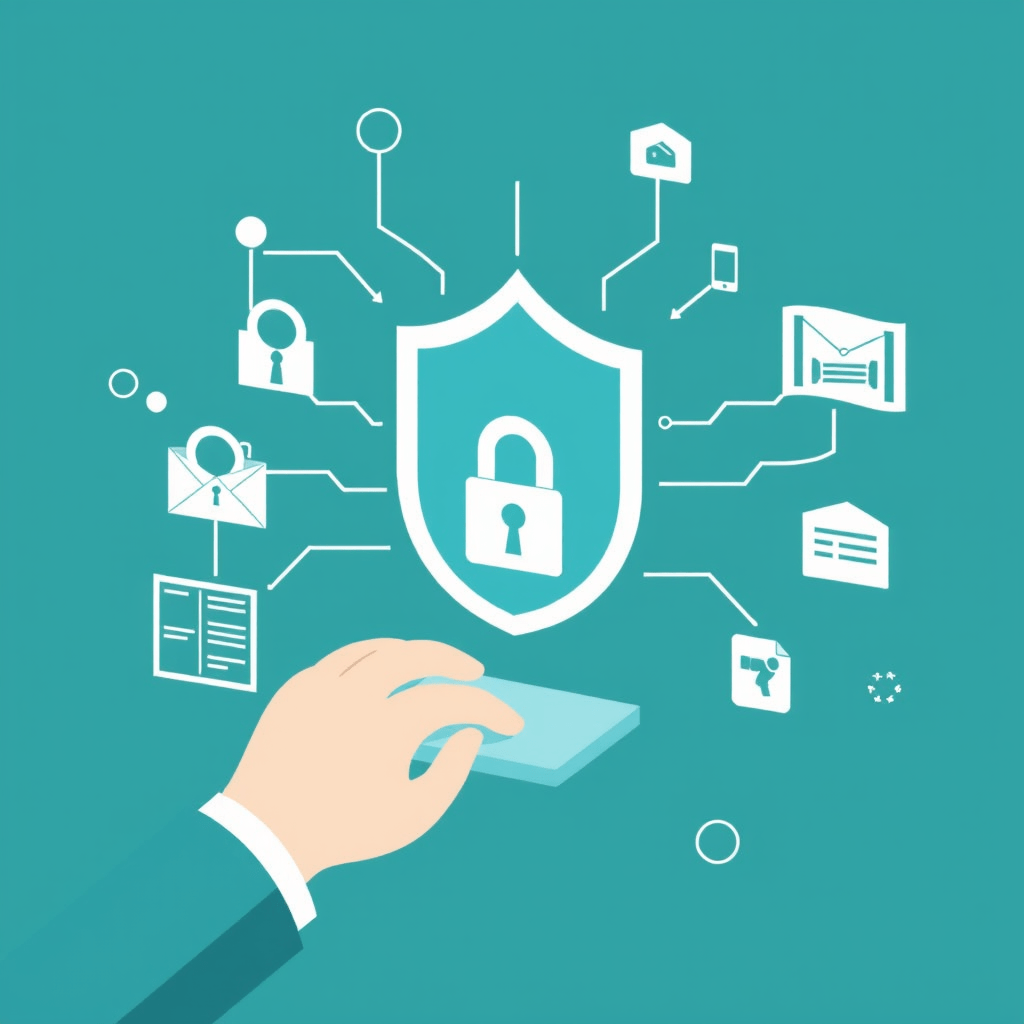
Digital Security Tips for Small Businesses: Imagine waking up one morning to find your business’s sensitive data compromised, customer information leaked, and your hard-earned reputation at risk. It’s a nightmare scenario that no small business owner wants to face, yet in today’s fast-paced digital world, it’s an ever-present threat lurking around every virtual corner.
As cyber threats evolve with alarming speed, they pose unique challenges to small enterprises that often lack the resources of their larger counterparts to combat sophisticated attacks. But here’s the silver lining: by embracing essential digital security practices, you can safeguard your business’s future and outsmart even the most cunning cybercriminals.
Navigating the intricate realm of digital security might seem daunting, especially when your primary focus is running and growing your business. However, understanding key strategies to protect your online assets can mean the difference between prosperity and peril.
In this blog post, we unveil crucial digital security tips tailored specifically for small businesses, empowering you to fortify your defences without breaking the bank. From recognising phishing attempts to implementing robust password policies, prepare to transform your enterprise into a stronghold against cyber threats, ensuring your peace of mind as you continue to innovate and thrive in the digital age.
Quick Answer:
Digital Security Tips for Small Businesses: Small businesses are prime targets for cyber threats. Implement strong passwords, regular backups, and employee training to stay secure and protect sensitive data.
Digital Security Tips for Small Businesses: Identifying Common Cyber Threats Faced by Small Businesses
Small businesses are increasingly becoming targets for cybercriminals due to their limited resources and often inadequate security measures. Small business owners must be aware of the common cyber threats they may face in order to effectively protect their digital assets.
One of the most prevalent cyber threats faced by small businesses is phishing attacks. These attacks involve tricking employees into revealing sensitive information, such as login credentials or financial data, through deceptive emails or websites. By educating your employees about the signs of phishing attempts and implementing email filters, you can significantly reduce the risk of falling victim to these scams.
Another common threat is malware, which includes viruses, ransomware, and spyware. Malware can infiltrate your systems through malicious downloads or infected attachments, compromising your data and potentially causing significant financial losses. Regularly updating your antivirus software and conducting system scans can help detect and remove any malware before it causes harm.
Social engineering attacks are also a concern for small businesses. These attacks involve manipulating individuals into divulging confidential information or granting unauthorized access to systems. By implementing strict access controls and training your employees on how to identify and respond to social engineering tactics, you can minimize the risk of falling victim to these types of attacks.
Importance of Employee Training and Awareness Programs
Your employees play a critical role in maintaining the security of your small business’s digital infrastructure. Investing in comprehensive training programs that educate your staff about digital security best practices is essential in preventing costly security breaches.
Start by creating a cybersecurity policy that outlines acceptable use guidelines for company devices and networks. This policy should cover topics such as password management, safe browsing habits, and data handling procedures. Regularly communicate this policy to all employees and ensure they understand its importance.
Conducting regular training sessions and workshops on digital security topics can help reinforce good security practices among your employees. These sessions can cover topics such as identifying phishing attempts, creating strong passwords, and recognizing suspicious online behaviour. By keeping your employees informed and educated, you empower them to become the first line of defence against cyber threats.
Implementing Multi-Factor Authentication for Enhanced Security
One of the most effective ways to enhance the security of your small business’s digital assets is by implementing multi-factor authentication (MFA). MFA adds an extra layer of protection by requiring users to provide multiple forms of identification before accessing sensitive information or systems.
Typically, MFA involves combining something the user knows (such as a password) with something they have (such as a fingerprint or a unique code sent to their mobile device). This additional step significantly reduces the risk of unauthorized access, even if passwords are compromised.
Enabling MFA for all your business accounts, including email, cloud storage, and financial platforms, can greatly enhance your overall security posture. It is also important to educate your employees about the benefits of MFA and encourage them to enable it on their accounts as well.
Regular Data Backups: Your Ultimate Safety Net
Data loss can be catastrophic for any business, especially small enterprises that may not have the resources to recover from such incidents. Implementing a regular data backup strategy is crucial in ensuring that you can quickly restore critical information in case of accidental deletion, hardware failure, or cyber-attacks.
Consider using cloud-based backup solutions that automatically store copies of your data in secure off-site servers. This approach provides an added layer of protection against physical damage or theft. Additionally, regularly test your backups to ensure they are functioning correctly and that you can restore your data when needed.
Remember that backups should be performed regularly, ideally daily or weekly, depending on the volume and importance of your data. By regularly backing up your data, you can minimize downtime and quickly resume business operations in the event of a data loss incident.
Securing Your Network: Tips for Small Business Owners
Your small business’s network is the backbone of your digital infrastructure. Securing it against unauthorized access is crucial in preventing data breaches and other cyber attacks.
Start by securing your Wi-Fi network with a strong password and encryption. Change the default administrator credentials on your routers and access points to prevent unauthorized configuration changes. Regularly update the firmware of your networking devices to patch any security vulnerabilities.
Segmenting your network into separate virtual LANs (VLANs) can also enhance security by isolating different types of devices or departments from each other. This way, even if one device or department is compromised, the rest of your network remains protected.
Implementing a firewall between your internal network and the internet adds an extra layer of protection by monitoring incoming and outgoing traffic for potential threats. Ensure that all devices connected to your network have up-to-date antivirus software installed to detect and block any malicious activity.
Choosing the Right Antivirus Software for Comprehensive Protection
The threat landscape is constantly evolving, with new malware variants being developed every day. Choosing the right antivirus software is crucial in protecting your small business’s digital assets from these ever-present threats.
When selecting antivirus software, consider factors such as real-time scanning capabilities, automatic updates, and compatibility with different operating systems. Look for reputable vendors that have a proven track record in detecting and mitigating emerging threats.
In addition to traditional antivirus software, consider investing in endpoint protection solutions that provide advanced threat detection and response capabilities. These solutions can help identify and neutralise sophisticated attacks that may bypass traditional antivirus measures.
Regularly update your antivirus software to ensure it can effectively detect and block the latest threats. Schedule regular system scans to identify any potential malware infections that may have slipped through your defences.
Creating and Enforcing Strong Password Policies
Passwords are often the first line of defence against unauthorized access to your small business’s digital assets. Creating and enforcing strong password policies is essential in preventing password-related security breaches.
Encourage your employees to create unique, complex passwords that include a combination of uppercase and lowercase letters, numbers, and special characters. Discourage the use of easily guessable passwords such as birthdates or common words.
Implementing a password manager tool can help employees securely store their passwords without the need to remember them all. This reduces the risk of using weak or repetitive passwords across multiple accounts.
Regularly remind your employees to change their passwords every few months or after any security incident. Implementing multi-factor authentication, as mentioned earlier, adds an extra layer of protection even if passwords are compromised.
Conducting Regular Security Audits and Assessments
Regularly assessing your small business’s digital security posture is crucial in identifying vulnerabilities and implementing necessary improvements. Conducting security audits can help you stay one step ahead of potential cyber threats.
Hire a professional cybersecurity firm or consultant to perform a comprehensive security audit of your systems, networks, and applications. They will identify any weaknesses or vulnerabilities that could be exploited by cybercriminals.
In addition to external audits, regularly review user access privileges within your organization. Remove any unnecessary administrative privileges from employees who do not require them for their roles. This reduces the risk of insider threats and limits the potential damage in case of a compromised account.
Stay informed about the latest security trends and best practices by following reputable cybersecurity blogs, attending industry conferences, or joining relevant professional networks. By staying proactive and continuously improving your security measures, you can effectively protect your small business against emerging threats.
Secure Remote Working Practices for Distributed Teams
In today’s digital landscape, remote work has become increasingly common, especially for small businesses with distributed teams. However, it is crucial to ensure that remote working practices are secure to prevent unauthorized access to sensitive information.
Implement strict access controls for remote workers, including strong authentication methods and limitations on the types of devices that can connect to your network remotely. Regularly review and revoke access privileges for employees who no longer require remote access.
Educate your remote employees about the importance of securing their home networks and personal devices. Encourage them to update their software regularly, use strong passwords on their Wi-Fi networks, and enable automatic updates on their devices.
Read Also: How professional guidance helps navigate organisational challenges?
Conclusion: Safeguarding Your Small Business in the Digital Landscape
Digital Security Tips for Small Businesses: In today’s fast-paced digital world, ensuring the security of your small business is paramount. By implementing essential digital security practices such as identifying common cyber threats, training employees, implementing multi-factor authentication, conducting regular data backups, securing your network, choosing the right antivirus software, enforcing strong password policies, conducting regular security audits and assessments, and promoting secure remote working practices; you can safeguard your business against cyber threats.
Remember that digital security is an ongoing process that requires constant vigilance and adaptation. Stay informed about the latest security trends, regularly update your security measures, and educate your employees to stay one step ahead of cybercriminals. By prioritising digital security, you can protect your small business’s valuable assets and ensure its continued success in the digital landscape.
To discuss anything relating to protecting your Small, Medium or Enterprise Business please feel free to book an IT Consultation with Brett, Director of ABC Service with over 15 years in the IT field.