


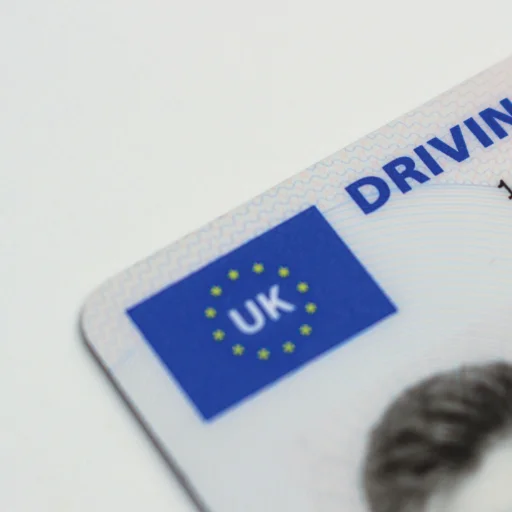
In an age where convenience often trumps caution, the concept of a Digital ID might initially seem like a step towards a seamless future. Imagine accessing services, making transactions, and verifying your identity with just a click—a digital utopia. However, beneath this alluring veneer lies a web of hidden dangers that are not immediately visible to the average user. Having spent over 17 years within the IT realm, I’ve witnessed firsthand both the marvels and pitfalls of technological advancements. Despite the promises of streamlined processes and enhanced efficiency, Digital ID systems present significant vulnerabilities that cannot be ignored.
Consider the implications if an enormous database housing personal information were to be compromised. With cyber threats becoming increasingly sophisticated, no system is entirely foolproof. Imagine the catastrophic scenario where up to 30% of the UK population wakes up to find their identities stolen overnight—all because of a breach in the Digital ID infrastructure. This isn’t just a theoretical risk; it’s a looming reality that demands our attention and scrutiny. As we delve deeper into the hidden dangers of Digital ID, it’s crucial to prioritise security over convenience, ensuring that our identities remain safeguarded in the digital age.
Lack of Privacy Protection in Digital ID Systems
The promise of Digital ID and why we do not agree with it often hinges on its ability to streamline identity verification, but the pervasive data collection required poses serious privacy concerns. Each digital transaction logs a trail of personal information—from location and financial habits to biometric data and beyond. When these details are pooled into a centralised system, users lose granular control over who accesses their data and how it’s used. In many jurisdictions, clear regulations governing consent and data retention remain underdeveloped, leaving citizens vulnerable to unauthorised exploitation of their private information.
Moreover, privacy by design—a principle that mandates data minimisation, user consent, and robust encryption—is frequently overlooked in the rush to deploy nationwide Digital ID schemes. Companies or governments might argue that extensive data capture is necessary to prevent fraud, but the trade-off is a significant erosion of individual privacy. Once personal identifiers are centralised, they become attractive targets for any entity—be it criminal syndicates, overreaching authorities, or rogue insiders—wishing to exploit or surveil unsuspecting citizens. In essence, without ironclad privacy protections built into every layer of a Digital ID system, users face an ongoing risk of personal data being exposed, misused, or monetised without their informed consent.
Finally, the sheer scale of data collection associated with Digital ID systems can create a chilling effect on personal freedoms. When individuals know their every move is logged, they may self-censor legitimate activities—whether it’s attending certain events, researching sensitive topics, or accessing support groups. This undermines the fundamental right to privacy and can have a profound impact on democratic engagement, free expression, and overall societal trust in digital solutions.
Potential for Identity Theft and Fraud
Identity theft is not a hypothetical scenario in the realm of Digital ID; it’s a chilling inevitability if adequate safeguards are not in place. A single breach in the Digital ID infrastructure can expose millions of users simultaneously, providing fraudsters with the keys to financial accounts, healthcare records, and government services. Unlike a lost wallet, where stolen cards can be cancelled, Digital ID credentials can be duplicated and used repeatedly before their misuse is detected.
Moreover, as criminals become more adept at social engineering and phishing techniques, they can trick unsuspecting users into divulging one-time passwords or scanning counterfeit biometric prompts. Once accessed, the stolen credentials could be sold on the dark web, facilitating large-scale scams. Victims often remain unaware of the breach until they face the arduous process of restoring their reputations, disputing unauthorised transactions, and patching gaps in their personal security. In many cases, the damage inflicted by such fraud is irreversible, causing emotional distress, financial loss, and long-term harm to credit ratings.
The interconnected nature of Digital ID systems also amplifies the threat. When one service provider is compromised, attackers can pivot to other linked platforms—banks, medical portals, government agencies—using the same credentials. This cascades the impact of a single breach into a multidisciplinary crisis that is both time-consuming and costly to remediate. Ultimately, the potential for identity theft and fraud underlines one of the core reasons for Digital ID and why we do not agree with it: the risk far outweighs the convenience IF robust, multi-layered security protocols aren’t rigorously enforced.
Cybersecurity Vulnerabilities in Digital ID Infrastructure
Digital ID infrastructures often rely on complex networks of servers, APIs, and user interfaces to function seamlessly. Although these systems promise efficiency, each component introduces potential weak points that can be exploited by malicious actors. From outdated software modules to insecure configurations, the attack surface for a Digital ID ecosystem is vast and constantly evolving.
Furthermore, the integration of third-party vendors—whether for biometric scanning, cloud hosting, or data analytics—compounds the security challenges. A vulnerability in any partner system can provide an entry point into the core Digital ID database. Without rigorous vetting processes, continuous monitoring, and shared responsibility frameworks, these external links can become inadvertent backdoors for cyber intruders.
Software and Hardware Weaknesses
Most Digital ID platforms rely on a combination of proprietary and open-source software, which can introduce numerous vulnerabilities if not properly maintained. Vendors often rush patches into production to meet tight deadlines, but without thorough testing, these updates can inadvertently open new security gaps. Additionally, hardware-based solutions like fingerprint scanners or smartcards may contain firmware flaws that can be reverse-engineered for unauthorised access.
Attackers can exploit unpatched software, leverage zero-day vulnerabilities, or intercept unencrypted data in transit between devices and servers. The complexity of modern IT environments means that keeping up with every security bulletin or firmware update is a monumental task—especially for large-scale public systems. When upkeep and monitoring processes lag behind, adversaries gain the upper hand, rendering Digital ID systems increasingly susceptible to sophisticated intrusion techniques.
Insider Threats and Supply Chain Risks
Even the most secure architecture can be compromised from within. Insider threats—whether malicious or accidental—pose a significant risk to Digital ID infrastructures. Employees or contractors with elevated privileges might misuse their access for personal gain, leak sensitive data, or inadvertently introduce malware. Implementing strict access controls, behaviour analytics, and regular audits is essential, but many organisations struggle to enforce these measures consistently.
Moreover, supply chain attacks on software libraries, third-party modules, or hardware components can inject hidden malware into the Digital ID stack. When these compromised elements are integrated into the main system, they provide attackers with stealthy channels to harvest credentials or alter data. Ensuring end-to-end supply chain transparency and mandating code-signing practices are critical steps, yet they remain under-implemented across many national Digital ID initiatives.
Risks of Centralised Data Storage
Centralising personal data into one repository might seem efficient from an administrative standpoint, but it creates a single point of failure that can have disastrous consequences. A successful breach—whether through a sophisticated cyberattack or an insider leak—can expose the personal details of an entire population simultaneously. The scale of such an incident would overwhelm traditional incident response teams, leading to extensive delays in breach detection and mitigation.
Moreover, retaining vast amounts of sensitive data in one location skews the attacker’s risk-reward calculus. Cybercriminals know that hacking a centralised database yields far more valuable information than targeting numerous smaller systems. Even if robust encryption is used, poor key management or outdated cryptographic algorithms can render data inaccessible to authorised users or, worse, decryptable by skilled adversaries.
Finally, centralised architectures can stifle innovation in security resilience. Decentralised or federated models—where identity data is fragmented across multiple nodes—offer greater fault tolerance and make large-scale breaches more challenging. By contrast, a monolithic data store tied to a Digital ID system becomes a tempting bullseye, especially for nation-state actors and advanced persistent threat groups. In light of these concerns, the centralisation of personal identity information remains one of the most significant risks associated with Digital ID and why we do not agree with it.
Impact on Personal Security and Safety
The integration of Digital ID into everyday life extends beyond online transactions; it can influence everything from accessing healthcare to crossing international borders. When this single credential is compromised, victims face a multifaceted crisis that extends into their physical safety. Criminals could use stolen IDs to impersonate individuals at border checkpoints, evade law enforcement, or even commit violent crimes under someone else’s name.
Furthermore, Digital ID systems often include geolocation tracking and real-time verification processes. While these features aim to prevent fraud, they also enable continuous monitoring of an individual’s movements. An attacker who gains unauthorised access can pump live location data or travel histories, potentially facilitating stalking, kidnapping, or other forms of personal harm. The stakes are especially high for vulnerable populations—such as domestic violence survivors—who rely on anonymity for protection.
In addition, a breached Digital ID can hinder access to essential services. Victims may be misidentified, leading to denied medical care, incorrect legal records, or frozen financial accounts. Restoring a tarnished digital identity is notoriously slow, during which time the affected person may experience loss of income, mental stress, and social isolation. These realities underscore the profound impact that a compromised Digital ID can have on both security and well-being.
Surveillance Risks and Government Control
Digital ID systems grant authorities unprecedented visibility into citizens’ lives. Every authentication event—whether it’s logging into a bank account or checking in for a flight—can be logged, stored, and analysed. This continuous data collection makes it possible to build detailed profiles of individuals, tracking political affiliations, social interactions, and personal habits.
In the hands of democratic governments with strong oversight, these capabilities might be used responsibly. Yet history has shown how quickly surveillance tools can be repurposed for political control, targeting dissenters or marginalised communities. Without transparent governance frameworks, digital identity systems become tools for mass monitoring, chilling free speech, and eroding civil liberties.
The potential misuse of Digital ID for social scoring or behavioural conditioning is another pressing concern. When citizens know their actions influence their access to services—loans, travel permits, healthcare—they may feel compelled to conform to government-sanctioned norms. This dynamic erodes the principle of equal treatment and risks creating a society where compliance is enforced through digital penalties rather than democratic discourse.
Social Implications of Widespread Digital ID Adoption
Widespread adoption of Digital ID systems reshapes the social contract between individuals, private companies, and governments. On one hand, faster service delivery and reduced bureaucratic friction can foster economic growth. On the other hand, digital exclusion can deepen existing inequalities. Those without access to reliable internet, smartphones, or digital literacy training fall further behind, unable to participate fully in civic and commercial life.
Moreover, the psychological impact of living under constant digital identification should not be underestimated. When one’s identity is relentlessly verified and cross-checked, trust in anonymous social interactions can erode. People may become less open to forming new relationships or exploring alternative viewpoints for fear of leaving a digital trace. This can stifle creativity, limit social mobility, and weaken the fabric of community life.
Finally, the commercialisation of identity data by private corporations introduces additional social risks. Targeted advertising, dynamic pricing models, and behavioural nudges could manipulate consumer choices and political opinions. When personal data becomes a commodity, the rich and tech-savvy stand to gain disproportionate advantages, while vulnerable groups risk being excluded or exploited. These social implications highlight why a critical assessment of Digital ID and why we do not agree with it is essential before embracing it on a mass scale.
Balancing Convenience with Security Measures
Digital ID initiatives often sell themselves on the promise of unparalleled convenience: one login for thousands of services, instant authorisation for transactions, and frictionless travel. Yet this utopian vision neglects the rigorous security protocols needed to safeguard such a powerful credential. Striking the right balance involves layering multiple defences—biometrics, multi-factor authentication, device fingerprinting, and continuous risk analytics—to ensure that ease of use does not come at the cost of user safety.
Organisations implementing Digital ID must adopt a “security-first” mindset. This includes conducting regular penetration tests, threat modelling, and red-team exercises to uncover hidden vulnerabilities. Data minimisation strategies, where only the necessary subset of identity attributes is shared for each transaction, can also reduce the blast radius of a potential breach. Moreover, user education campaigns are vital: no matter how advanced the technology, human error remains one of the leading causes of security incidents.
Finally, policymakers and technologists should explore decentralised identity frameworks—such as blockchain-based solutions—that give individuals greater control over their credentials. These models typically allow users to store identity proofs locally, sharing only cryptographic proofs with service providers. By distributing trust across many nodes rather than a single centralised repository, decentralised approaches can mitigate some of the core risks associated with conventional Digital ID systems.
Conclusion: Prioritising Data Security in the Digital Age
As we have explored, the hidden dangers of Digital ID and why we do not agree with it are rooted in vulnerabilities spanning privacy erosion, identity theft, cybersecurity gaps, and centralised data monopolies. Each of these factors underscores the need for prudent design, rigorous oversight, and continuous improvement.
Ultimately, the success of any Digital ID initiative will depend on placing user security at its core. Only by balancing convenience with airtight protections can we hope to harness the benefits of digital identity without sacrificing our fundamental rights and freedoms.