
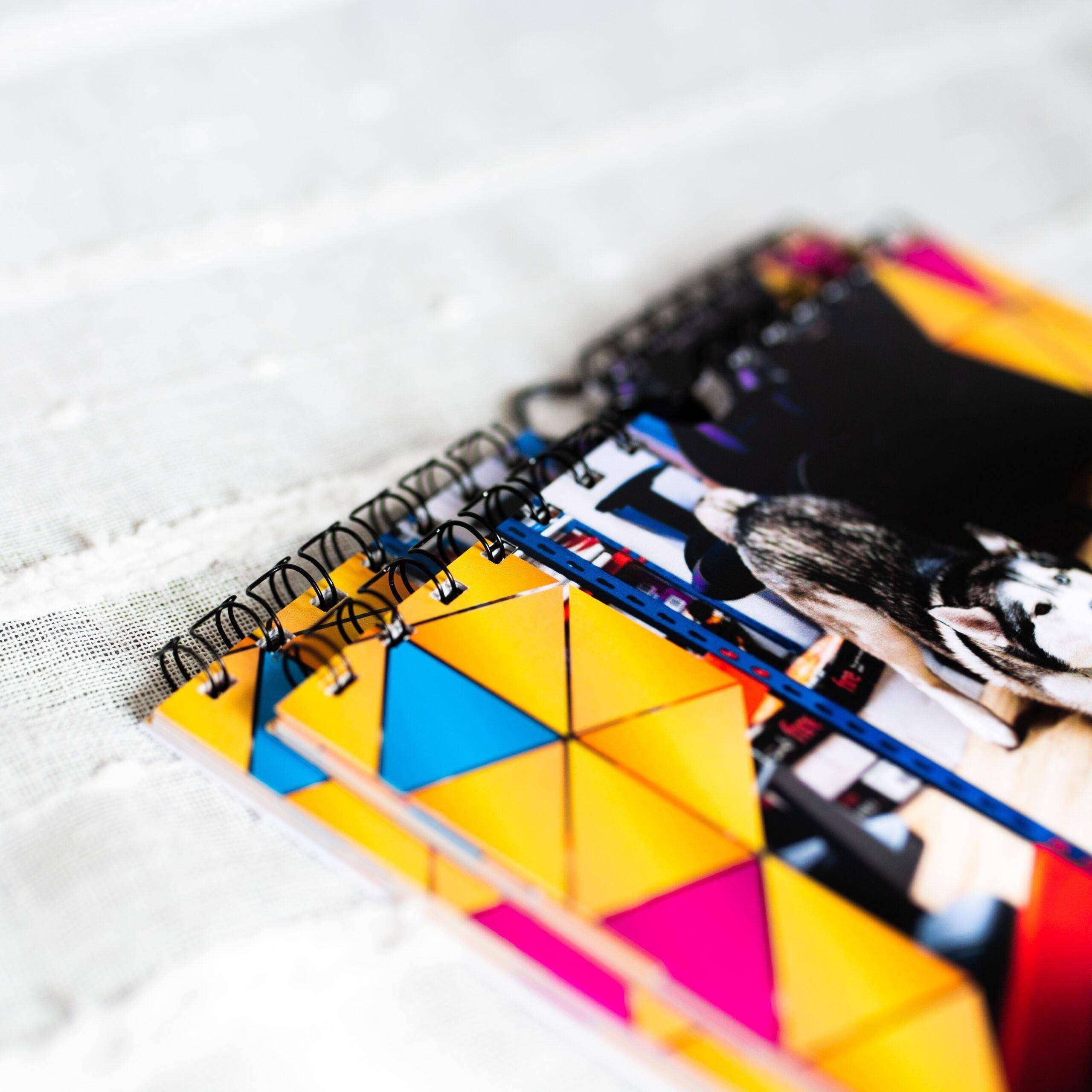
A personalised calendar is a practical way to bring photographs, useful dates or a business identity into view throughout the year. The right format depends on where it will be used, what people need to see, and whether they will write on it.
A printed calendar can sit alongside digital reminders rather than replacing them. It gives a household, team or customer one shared place to check dates at a glance. Here’s how to choose a format and make the finished calendar work well.
Start with how the calendar will be used
Before choosing a size, think about where the calendar will live and what someone will do with it. A family may want space to organise appointments. A business might use it as a useful year-end gift. A photographer may want each image to have plenty of room.
Some formats are more suited to particular uses:
- A4 is an all-rounder for photographs, notes and business information.
- A5 is compact and lighter to post, making it a useful choice for volume mailing.
- A3 gives photographs and monthly grids more room on the wall.
- Small square calendars, at 210 × 210mm, suit square images and compact spaces.
- Large square calendars, at 300 × 300mm, give portfolios and photographs a more generous display.
- A5 desk calendars sit on a tent-style stand, keeping dates visible on a desk or counter.
- Wall planners at A1 show the whole year at once.
The Calendars and Planners range brings these formats together, so it’s easier to compare the space and purpose each one offers.
Making a photo calendar look its best
Photo calendar printing works well when the images feel personal and the dates remain easy to read. A favourite family photograph, a collection of landscapes or a year of project images can all make a calendar feel distinctive. A few straightforward checks help the artwork print clearly.
- Start with the largest original image files you have. Images saved from social media or messaging apps may have been compressed. If you have the original from a camera or phone, use that version.
- Choose the cover image with care. It introduces the calendar, so pick a photograph that still looks good with any title or year information included.
- Leave breathing room around faces. Keep people away from the trim edges and avoid placing important details where the page will be bound.
- Keep key parts of the photograph clear of the date grid. Check that faces, landmarks or business details are not hidden by the calendar layout.
- Review the month order and dates. A careful proofread can catch a misplaced month or an important date entered on the wrong day.
- Check how each image fits its page. A landscape photograph on a portrait page may need cropping to fill the space. That can cut off details at the sides. If you want to keep the whole image, allow room for the layout to show it without stretching or awkward cropping.
A quick review at the size the calendar will be printed can help you spot small text and layout details that are easy to miss on a large monitor.
A calendar can be useful for business, too
A business calendar works best when it offers something beyond a logo repeated across every page. Real photographs of your products, team, workplace or local projects can make it feel connected to the organisation. Keep the logo small and consistent so it identifies the calendar without taking over.
Choose one useful detail for each page, such as:
- Opening hours or seasonal closures
- Trade events and relevant dates
- A contact line or website address
- A short note about a product, service or team
A calendar is one part of a wider stationery set. Using the same colours, logo treatment and type style as your other printed materials helps everything feel joined up, whether the calendar is given to customers, staff or suppliers. If your artwork needs shaping into a print-ready layout, our A4 calendar printing page explains one of the available formats and finishes.
A good calendar earns its place by being easy to use first and good to look at every day.
Paper, pages and hanging options
Paper affects how a calendar feels, how photographs appear and how easy it is to write on. The best choice depends on its job.
For covers, options include 250–350gsm Silk, 300gsm Uncoated and 300gsm Gesso for a more textured feel. Inner pages can range from 120gsm Uncoated to 250gsm Silk. Uncoated paper is a sensible option when people are likely to write on the dates. Silk can suit vivid imagery and a smoother finish.
Larger calendar formats can be made with 13 or 14 pages for one year, or 26 to 28 pages for two years. Check the page plan against the layout before sending artwork, particularly if you have a specific start month or want to include a cover.
Wall calendars can be finished with metal wire binding and a hanging option, such as a metal hanger or a drilled hole, depending on the format. Think about where the calendar will hang and how often it will be turned. A family planner that needs regular notes has different practical needs from a photo-led calendar intended mainly for display.
Paper choices can also include carbon-captured options. If this matters to your organisation, check the available stock for the format you plan to order and make sure the chosen paper suits the way the calendar will be used.
Wall planner or calendar, what’s the difference?
A wall calendar usually focuses on one month at a time, often pairing the date grid with a photograph or design. It’s useful when people want to see the current month clearly.
A wall planner gives a year-at-a-glance view. It’s often better for teams, workshops, schools or households that need to compare dates across several months, and A1 gives the space to read it across a room. The trade-off is that a year shown all at once may have less room for writing detailed notes than a monthly calendar.
Plan around the date you need it
Calendars are seasonal, so it helps to work backwards from when you want them in hand. If they need to be ready for a January start or a year-end mailing, allow time to select photographs, prepare the design, check a proof and arrange printing and delivery.
Autumn is a comfortable time to start planning. It leaves room to gather images and confirm details without making the process a last-minute rush. For business orders, it’s also worth checking quantities and delivery addresses early, especially if calendars are going to several locations.
A useful print for the year ahead
The best personalised calendar matches its setting and its purpose. Choose a format that fits the wall, desk or mailing plan; use clear images and readable dates; and select paper and binding with everyday use in mind. Whether you’re making a family planner, a desk calendar or a business gift, a little planning helps make a calendar useful long after it’s first put up.